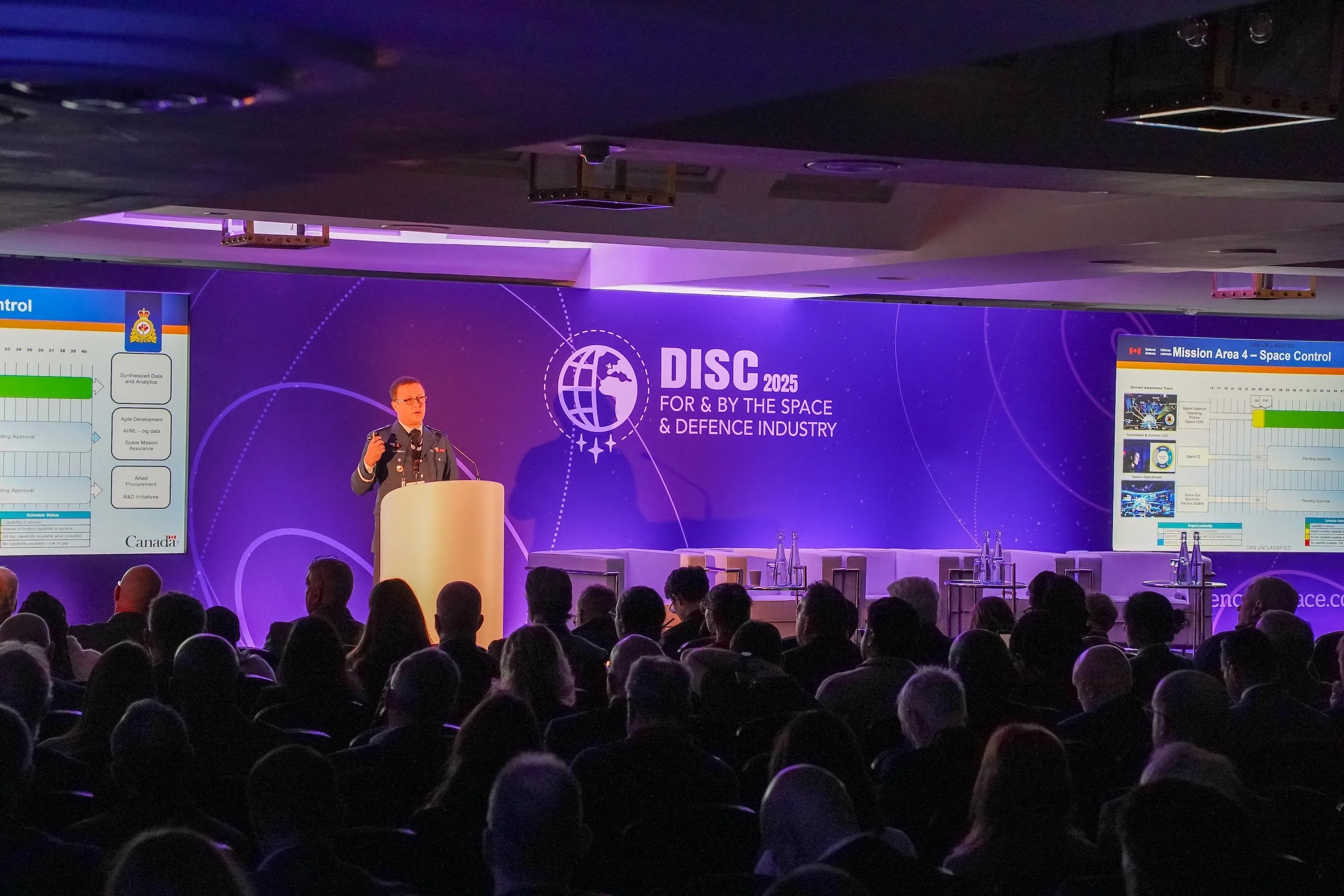
Shield Space Official Launch, Space Park Leicester
In May 2026, we attended the official launch event for Shield Space, a new UK DefenceTech company positioning itself at the intersection of national security, autonomous systems and space operations.
Held at Space Park Leicester, adjacent to the UK's National Space Centre, the event offered a glimpse into a future where satellites are no longer passive infrastructure, but active assets capable of defending themselves in increasingly contested orbital environments.

Founded by former RAF officer and UK Space Command specialist Graeme Ritchie alongside aerospace engineer Dr Dan Molland, Shield Space has emerged with an ambitious mission: to develop autonomous space control and satellite protection capabilities for the UK, NATO and allied nations. The company recently secured £2 million in investment in part coming from Jeff Crusey and the team at IceNine VC and is preparing for its first orbital demonstration mission in 2027.
Throughout the launch event, a clear theme emerged: space is now a contested and strategically critical environment.
Modern economies and defence systems are deeply dependent on satellite infrastructure, with the company and investors referencing figures suggesting around £450 billion of UK economic activity is enabled by space-based services. As a result, orbital assets are increasingly being framed as critical national infrastructure requiring active protection.



Shield Space’s response centres on autonomy. While satellites today often rely on ground operators to detect threats and initiate manoeuvres, contested scenarios could disrupt or sever those links entirely. The company is developing AI-enabled systems designed to allow satellites to identify and respond to threats independently, reducing reliance on Earth-based control and improving resilience in degraded environments.
Broader discussion at the event focused on how space operations will evolve as satellite constellations scale. Key questions included how distributed space control works across large networks, how nations improve space domain awareness, and how allies reduce dependence on ITAR-restricted systems that limit flexibility in procurement and deployment.
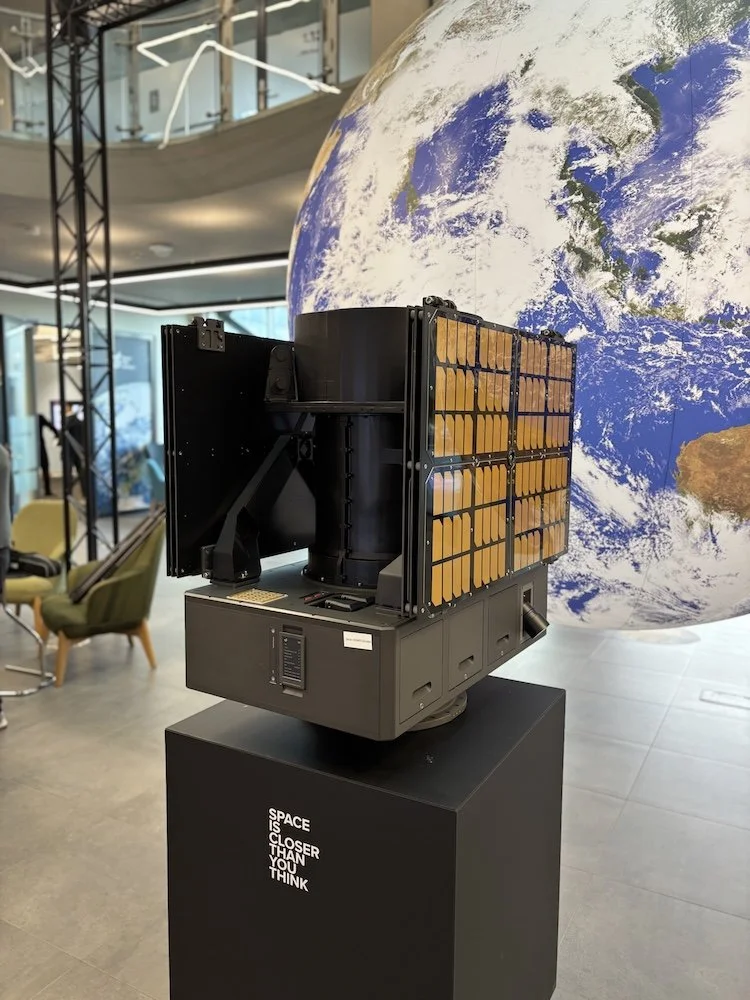


A key concept highlighted was Protection-as-a-Service for space infrastructure. As constellations grow and reliance on orbital systems increases, demand may emerge for on-demand capabilities such as inspection, threat response and satellite protection, in a model that mirrors the evolution of cybersecurity services.
Shield Space is already moving in this direction through its partnership with satellite manufacturer EnduroSat, supporting sovereign space defence development and the BROADSWORD demonstration mission planned for 2027. This mission will showcase autonomous rendezvous and proximity operations, forming the basis for future inspection and protection capabilities in orbit.
As space becomes more congested, competitive and strategically significant, the focus is shifting from access to orbit towards securing it. The discussions at Shield Space’s launch event suggest that the next phase of defence innovation will be defined as much by safeguarding assets above Earth as protecting infrastructure on the ground.
You Might Also Like: